


Here's the Short Story
When President Abraham Lincoln died from an assassin’s bullet on April 15, 1865, it shook the entire country. Here was a relatively young man, just 56 years old, who had known nothing but war during his entire Presidency. In the last week of his life, Abraham was finally seeing the end of the Confederacy, and making plans for Reconstruction. The loss would have lasting effects, many of them negative, on how we moved forward as a nation.
The decision was made to take Abraham’s body, along with son Willie, who had died at the White House in 1862, back to their hometown of Springfield, Illinois, though no burial plans were yet finalized. After several services in Washington, Abraham’s body was put on a funeral train, which traveled more than 1,600 miles over two weeks, passing through hundreds of communities in seven states before returning him to Springfield. It’s estimated that over 1.5 million people viewed Lincoln’s open coffin. Millions more came to the railroad tracks just to see the funeral train pass so they could pay their respects. Parents held their babies up in the air, facing Lincoln’s train car as it passed, so they could tell their child when they were older that their eyes saw the funeral car.
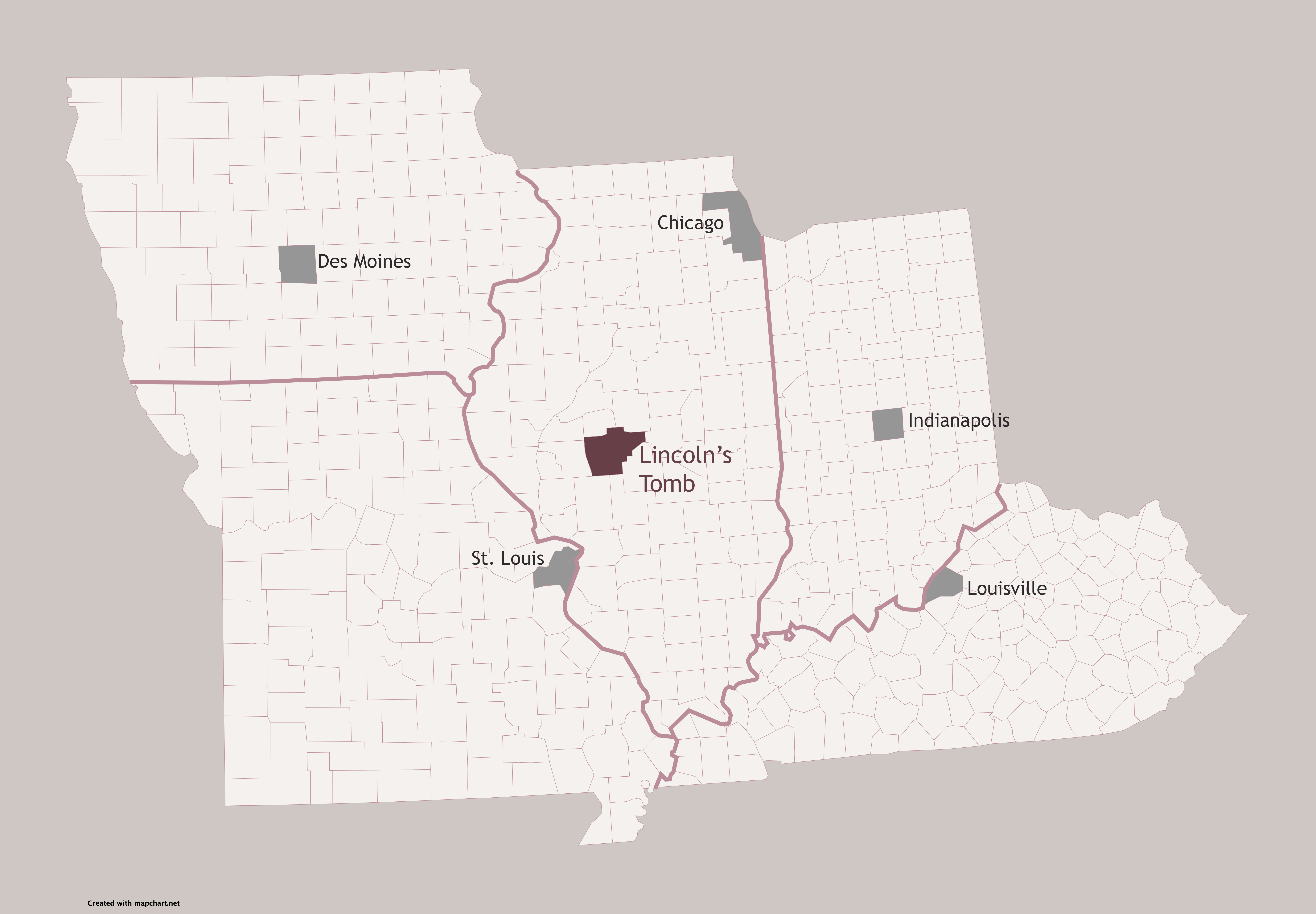
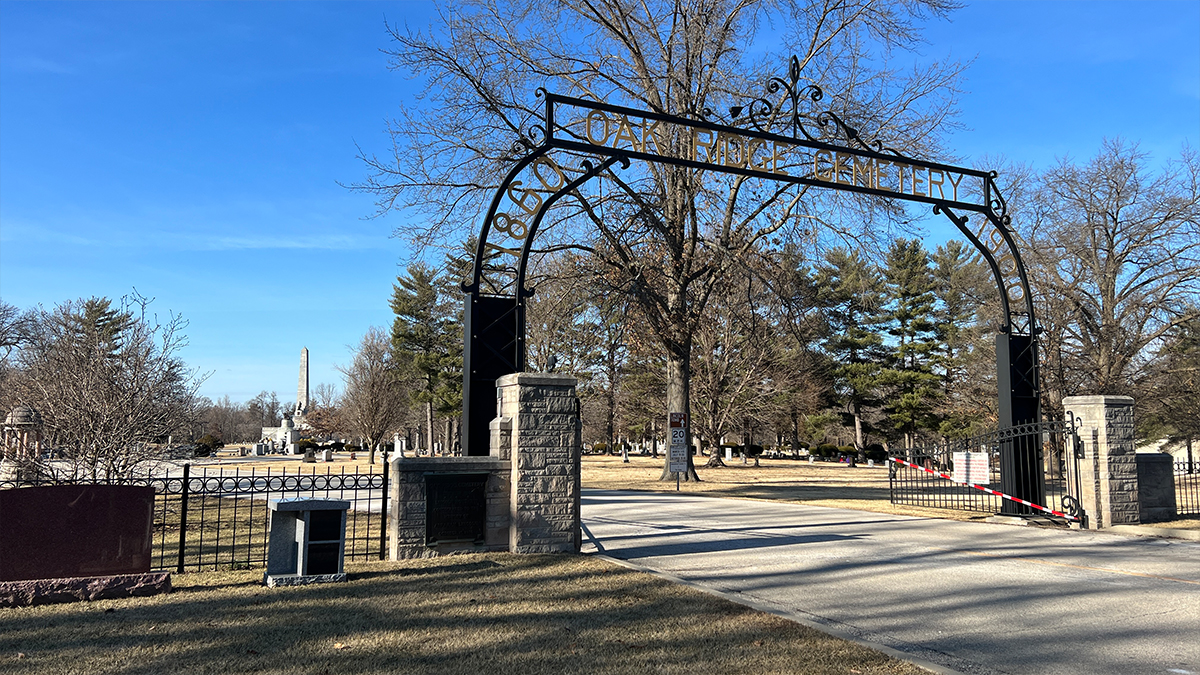
Oak Ridge Cemetery, located several miles north of the city of Springfield, was personally chosen by Mary Lincoln, Abraham’s wife. The couple had been at its dedication in 1860, and they both admired the peaceful country landscape. A few weeks before Abraham died, he and Mary were in the Virginia countryside when he spotted a small country cemetery. Abraham told Mary, “You are younger than I. You will survive me. When I am gone, lay my remains in some quiet place like this.” Oak Ridge Cemetery was the ideal place for a man who had grown up surrounded by rural landscapes.
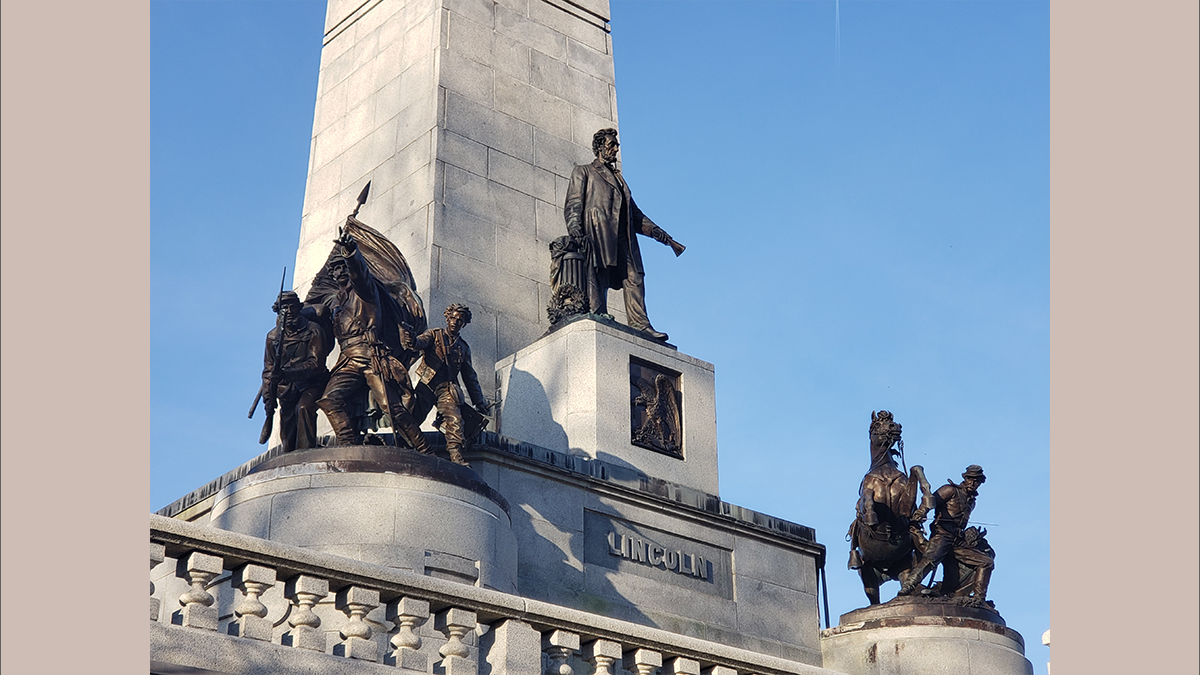
Abraham was initially placed in a public receiving vault at the cemetery on May 4, 1865, and Willie was placed next to him. Thousands of visitors came in those initial months to pay their respects at that vault. By December 1865, a new temporary vault was built into the hill, somewhere between the original vault and the Lincoln Tomb. It was 1868 before construction began, and the first version of the Lincoln Tomb was opened in 1874. It was a 117-foot-tall granite and brick structure featuring an obelisk, a burial chamber, and four bronze statues representing the armed forces.
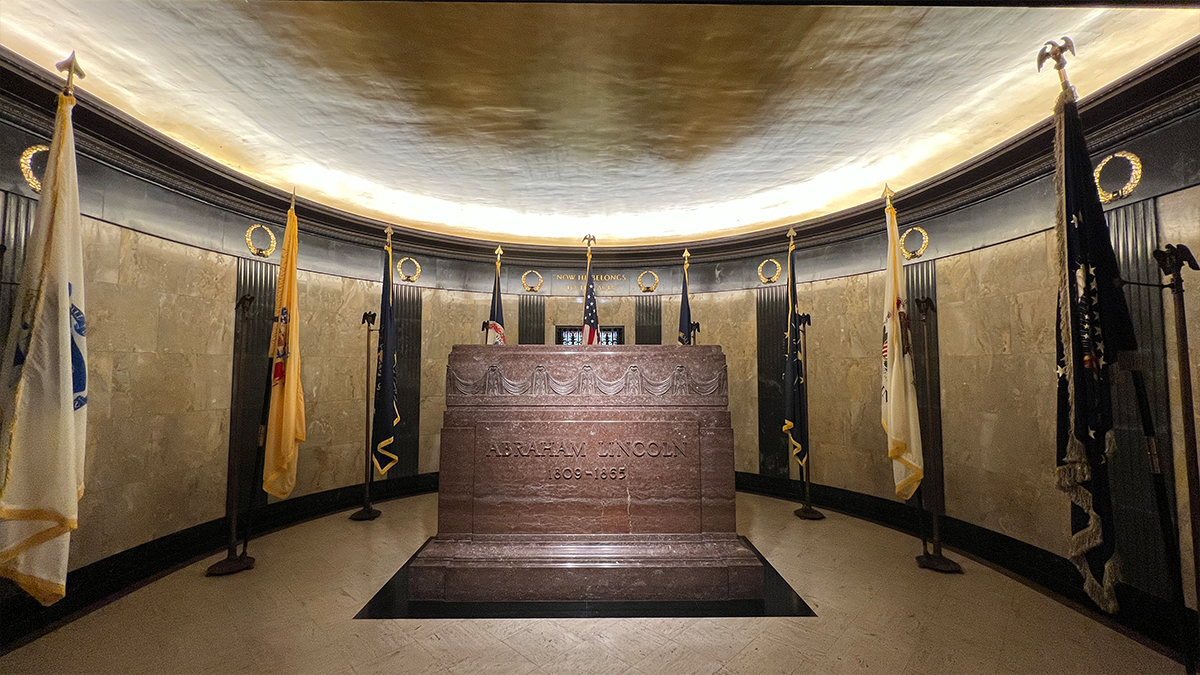
There were two major redesigns and construction projects before the Tomb became the memorial you see today. In the 1900-1901 renovation, Robert Lincoln requested one major, permanent change that would finalize and secure his father’s final resting place, and make his body safe from kidnappers. Robert, and a few others who had known Abraham, opened the coffin to confirm that it was Abraham’s body still in there. Indeed, he had been embalmed so many times that they could clearly recognize his face. They noticed specks of red, white and blue on his chest, and realized that it was from an American flag that had been placed on his chest and had disintegrated over the past 36 years. The coffin was closed, and it was placed in a steel-enforced concrete vault ten feet below the floor.
Robert’s mother and brothers, and Robert’s only son, Abraham II (nicknamed Jack), all of whom had passed away, were put into a crypt on the south wall. There was also a spot left open for Robert. The Lincoln Tomb again underwent a redesign and construction in 1930-1931, and was re-dedicated by then-President Herbert Hoover. This is the building you see standing today.
The Lincoln Tomb still spotlights the four branches of the military, along with 37 small bronze shields that each represent a state at the time of Abraham’s death, with a special panel for Illinois. Inside the tomb, surrounding his grave site marker in a half circle, are state flags: Kentucky, Indiana and Illinois representing where he lived, and Massachusetts, New Jersey, Pennsylvania and Virginia representing his ancestral roots. The United States flag and Presidential flag were donated by Herbert Hoover.
Throughout the halls there are small statues depicting Abraham at various times in his life, representing not just the President, but the son, husband, father, log splitter, lawyer, politician, and one of the best orators in our history. The Lincoln Tomb remains the final resting place for Abraham, Mary, and their three youngest children.
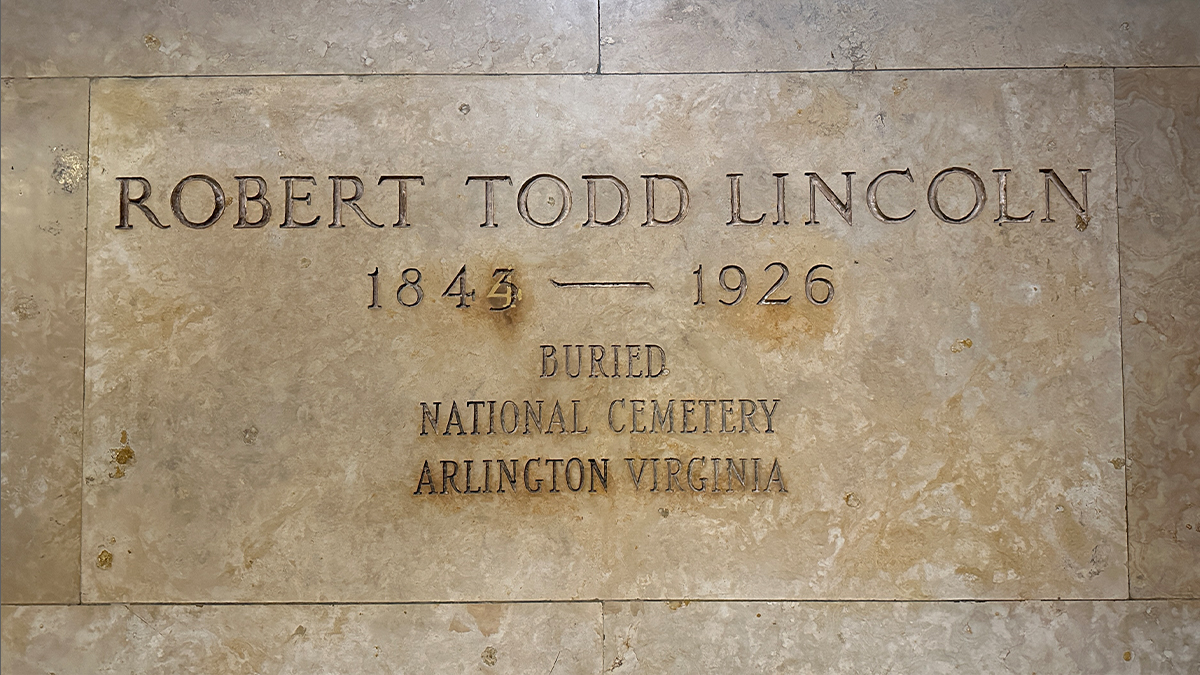
Though it was Robert Lincoln’s wish to be buried in the family crypt, Robert’s wife, Mary Harlin Lincoln, felt her husband deserved his own burial site where he could be honored for his own achievements. Mary removed their son Jack from the Lincoln Tomb crypt, and buried him with Robert at Arlington National Cemetery. Visitors still see Robert’s name on the empty crypt.
The Lincoln Tomb continues to reflect President Lincoln’s national legacy, while also honoring Abraham and his family’s connection to Springfield.






.svg)


