

.svg)
Here's the Short Story
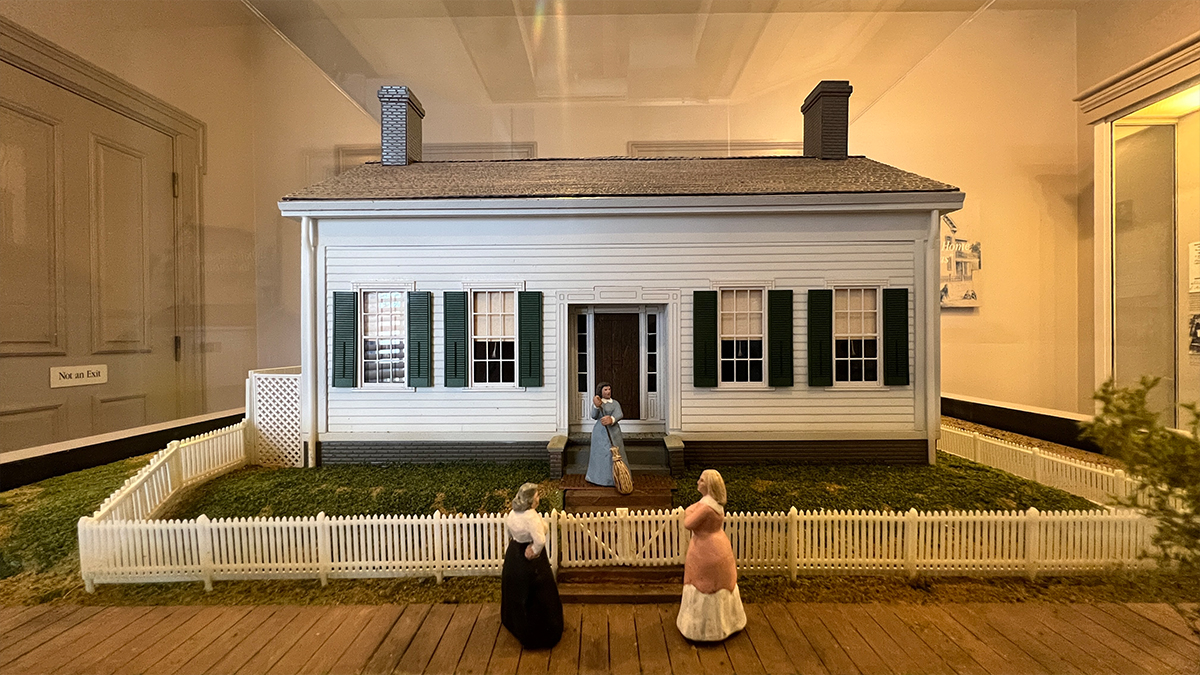
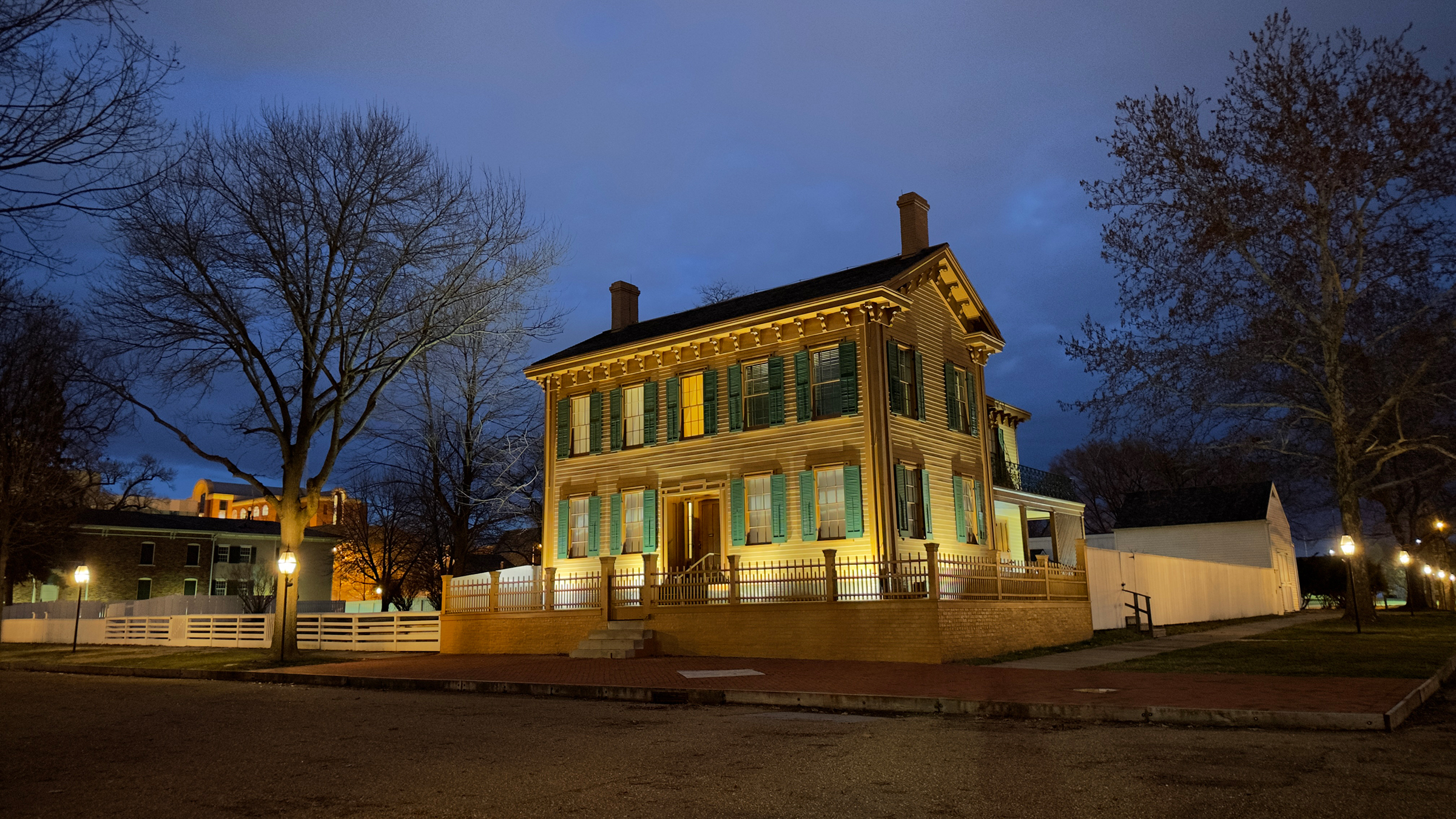
Abraham Lincoln had grown up in one-room log cabins, and never had a permanent place to live as a young adult. It wasn’t until he married Mary Todd that he rented a room for them at a boarding house. After the birth of their first son Robert (nicknamed Bob), it became clear they needed a home for their little family.
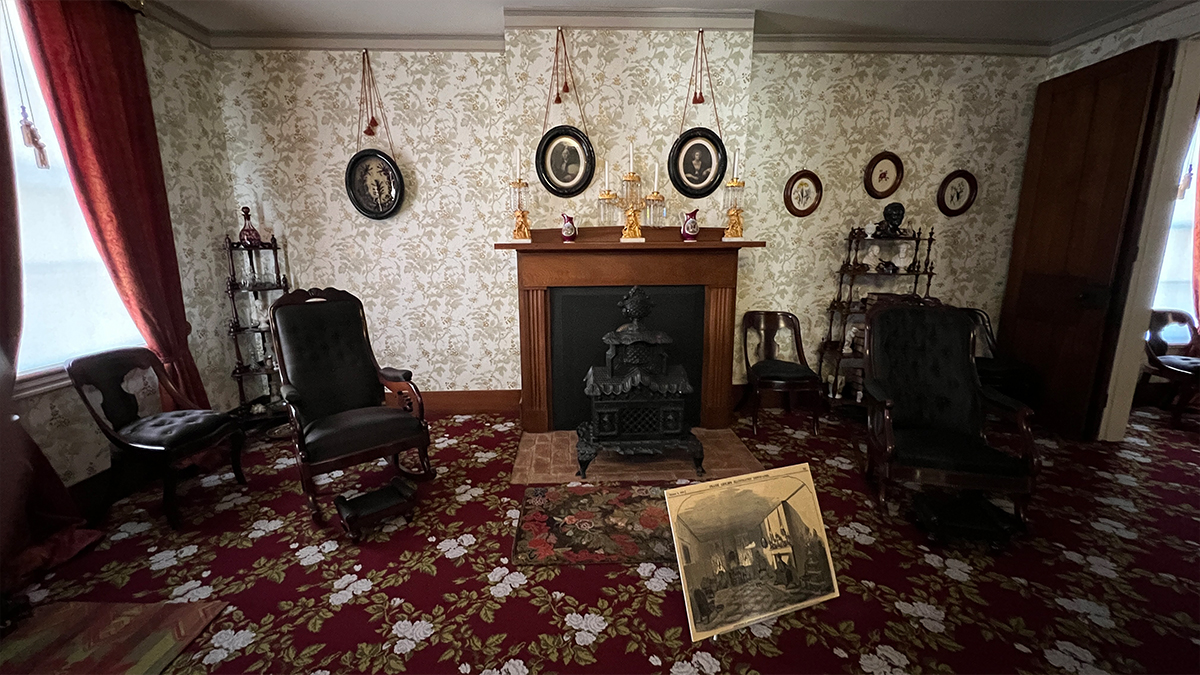
There were beautiful memories mixed with moments of struggle and heartbreak for the family while living here. Abraham and Mary had three more sons, Edward (Eddie), William (Willie), and Thomas (Tad), who were born in what would become the back parlor. Little Eddie struggled with tuberculosis for fifty-two days in that same room, and sadly passed away a month before his fourth birthday.
As her husband was often away for several weeks at a time working as a circuit lawyer, Mary was largely in charge of the household and the young, energetic boys who were often left to do whatever they wanted, much to the frustration of visitors and neighbors. She often received help from a female servant. At night, Mary was often lonely and afraid of robbers, fires, and lightning when storms came. Despite her challenges, she knew how to stretch her small budget and was able to make their house into a real home that was a beautiful place for their friends, neighbors, and men of high importance to visit. In 1856, Mary, without telling her husband who was often away from home, sold land that her father had gifted her when she married, and added a full second story to their home.
Abraham eventually became a very successful lawyer for several railroad companies, and having more time at home led him to lean into politics again. Abraham would learn on May 18, 1860, in his back parlor, that he had won the Republican nomination for President. On November 7, 1860, Abraham sprung up the stairs in the middle of the night to wake up his wife: “Mary, Mary, we are elected!”
The Lincoln family purposely destroyed most of their letters to each other, along with other documents, before they left. They rented the home to Lucian A. Tilton, President of the Great Western Railroad. Many pieces of furniture were left for the Tilton family, and others were given to friends and family around Springfield for them to keep while they were away. It was always Abraham and Mary’s intention to return to Springfield after he served one, or maybe even two, Presidential terms.
Unfortunately, they never returned to their home again. Abraham was assassinated by actor John Wilkes Booth shortly after he was sworn in as President for a second term. Mary was too distraught to return, and she left it to Robert to oversee the house and deal with future tenants.
After renting the home to various tenants over the years, in 1887 Robert Lincoln sold the Lincoln Home to the State of Illinois for just $1. In return, the state was to keep the house in good condition, and it was to be open to the public for no charge. In 1972, the home was transferred to the National Park Service, who now maintains the property, and also allows thousands of visitors to see the home for free each year.
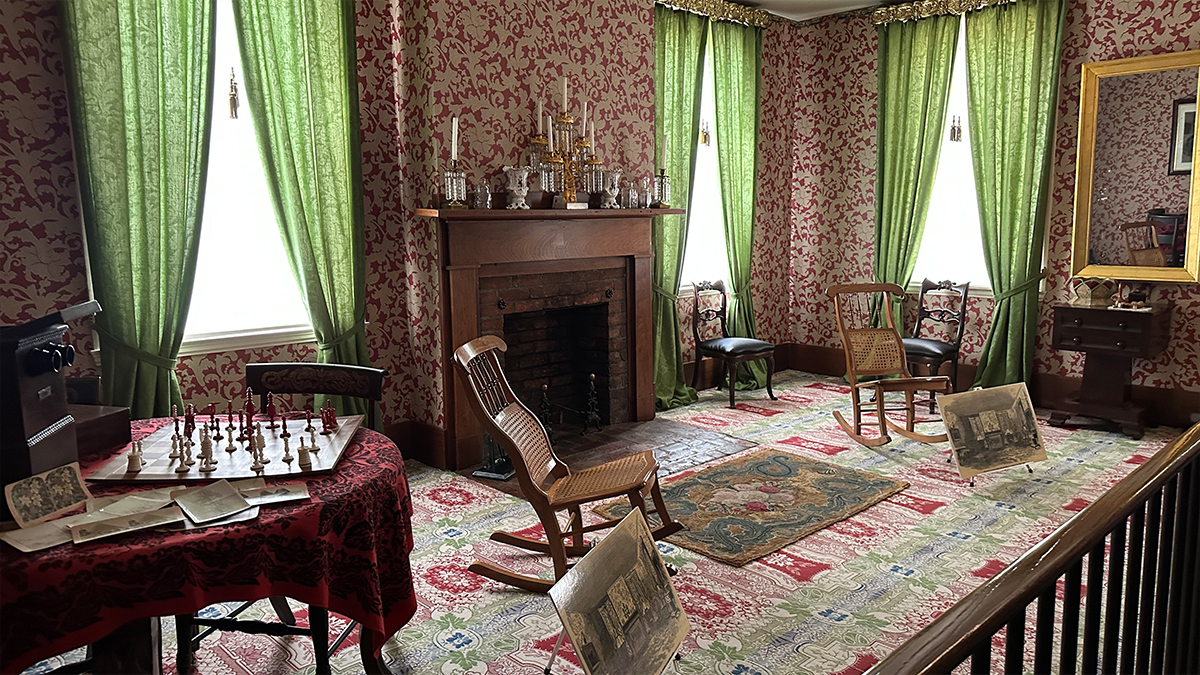
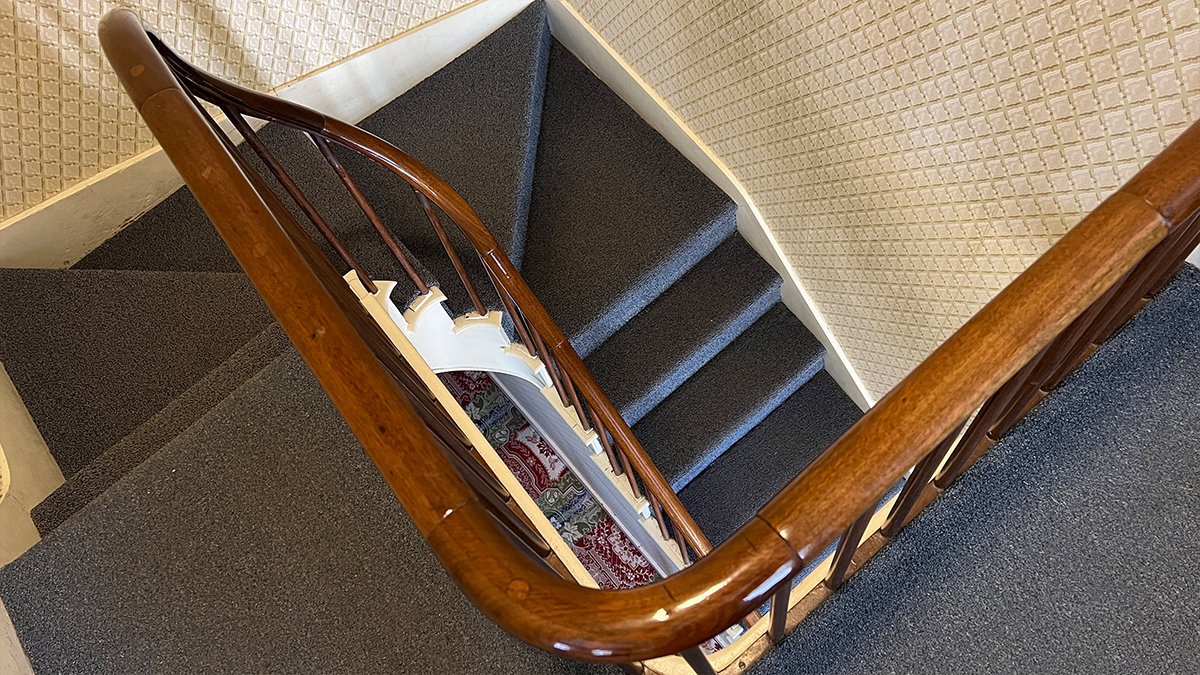
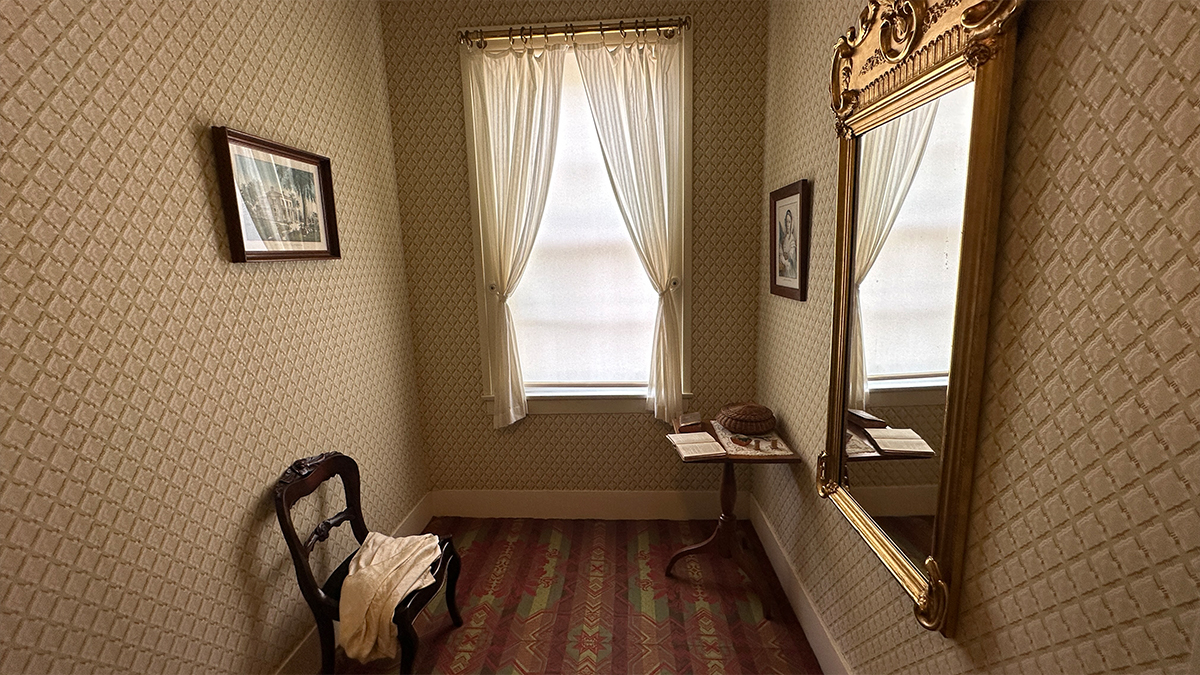
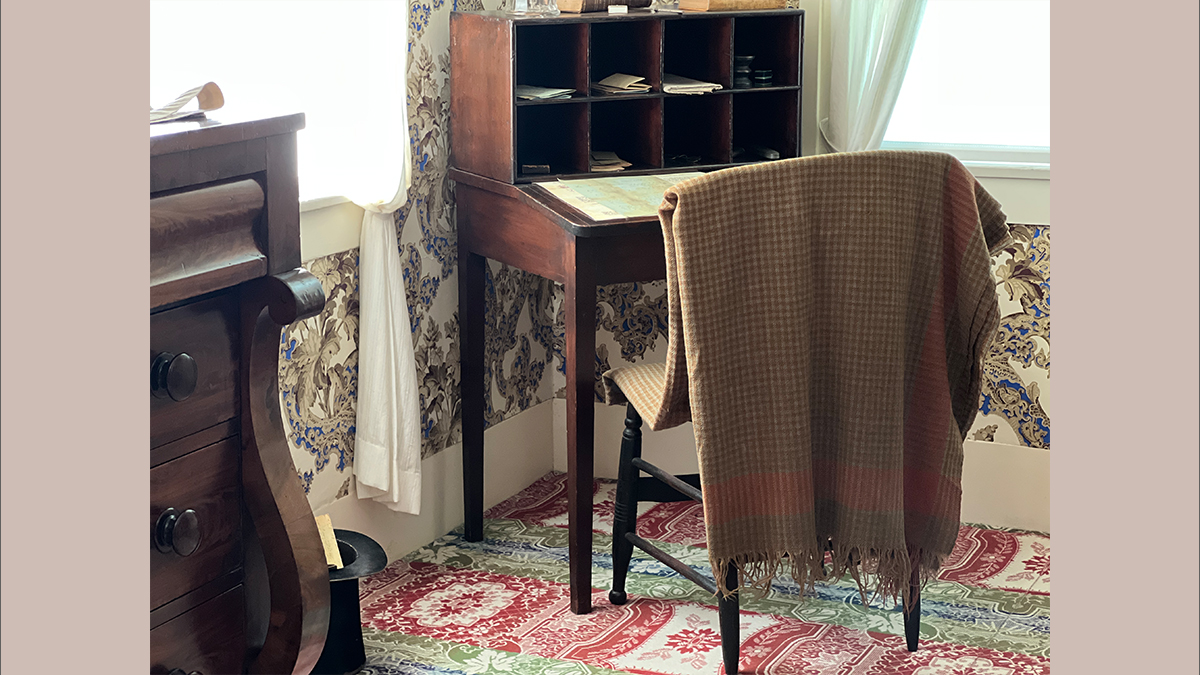
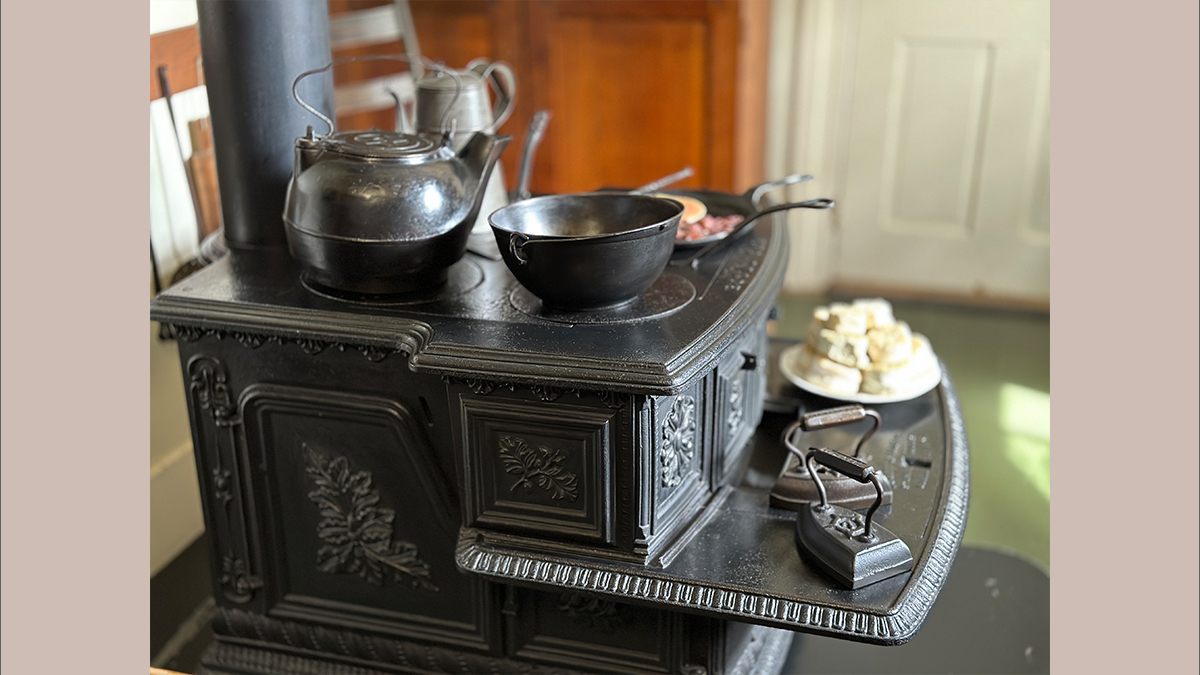
Countless Lincoln family items are in the home, and due to illustrations by Harper’s Weekly in 1860, the NPS has been able to decorate the home so it looks almost identical to what the illustrations showed. The original handrail as you go to the second floor is available for you to touch and grip as you go upstairs, allowing you to literally touch history. There are few historical houses in the country that have as many real artifacts inside their walls, making this one of the most important places one could ever visit.