
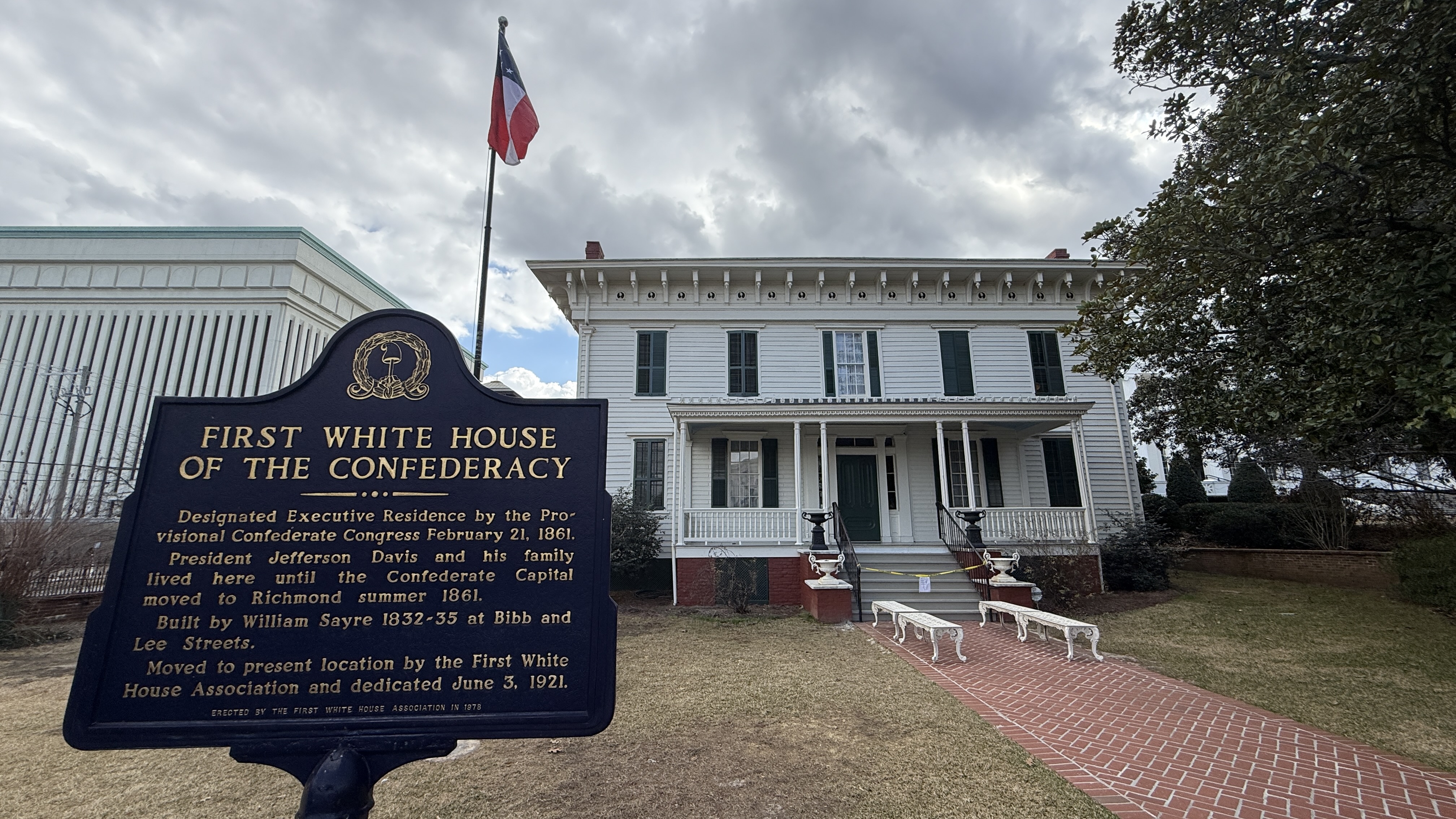


Here's the Short Story
Montgomery, Alabama was founded in 1819, on the high bluffs above the Alabama River. It quickly became a transportation center, where it was a major hub for steamboats, stagecoaches, and railways. In 1846, the Alabama capital was moved from Tuscaloosa to Montgomery, and a stunning state capitol building was designed and built, overlooking downtown from its hilltop setting. In January 1861, the city of Montgomery, Alabama consisted of 9,000 residents and three hotels.
By February 1861, seven states had seceded from the Union: South Carolina, Mississippi, Florida, Alabama, Georgia, Louisiana, and Texas. Delegations met at the Alabama State Capitol building. The delegates made Montgomery the capital of their self-proclaimed nation: the Confederate States of America. The new Confederate capital was centrally located, and protected by the mighty states of Georgia and Mississippi.
When former Mississippi Democrat Senator Jefferson Davis was sworn in as the Provisional President of the Confederacy, the government immediately sought to locate an appropriate home to serve as the Executive Mansion. In the center of Montgomery, they found the perfect place.
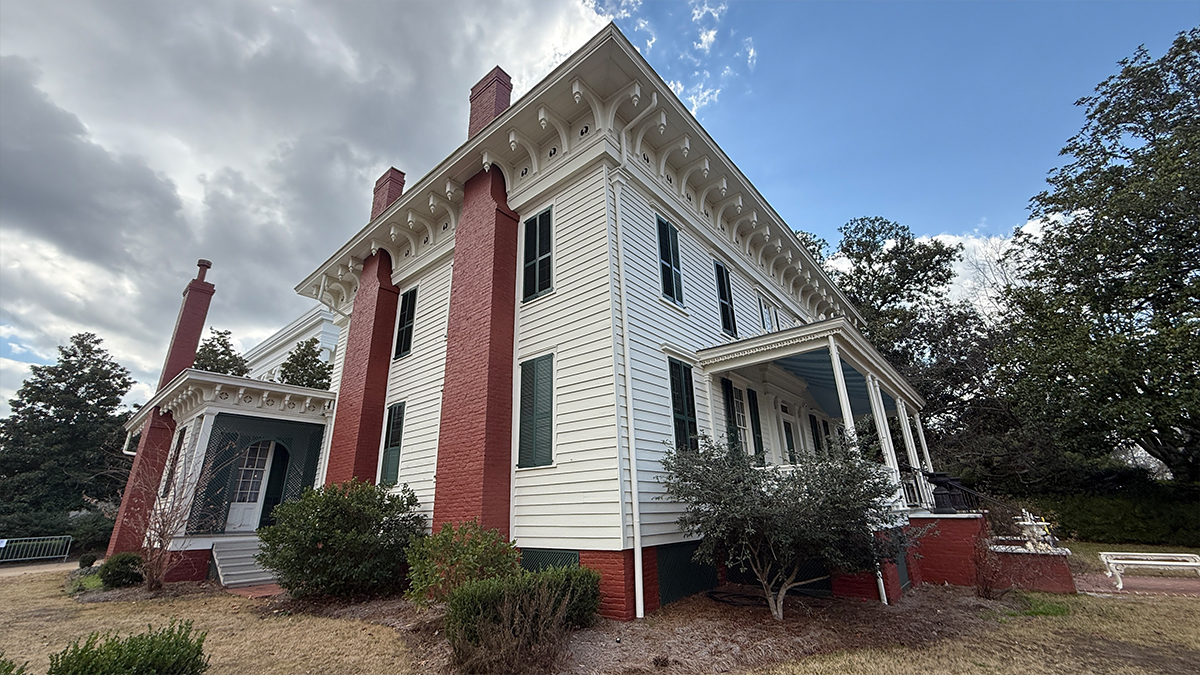
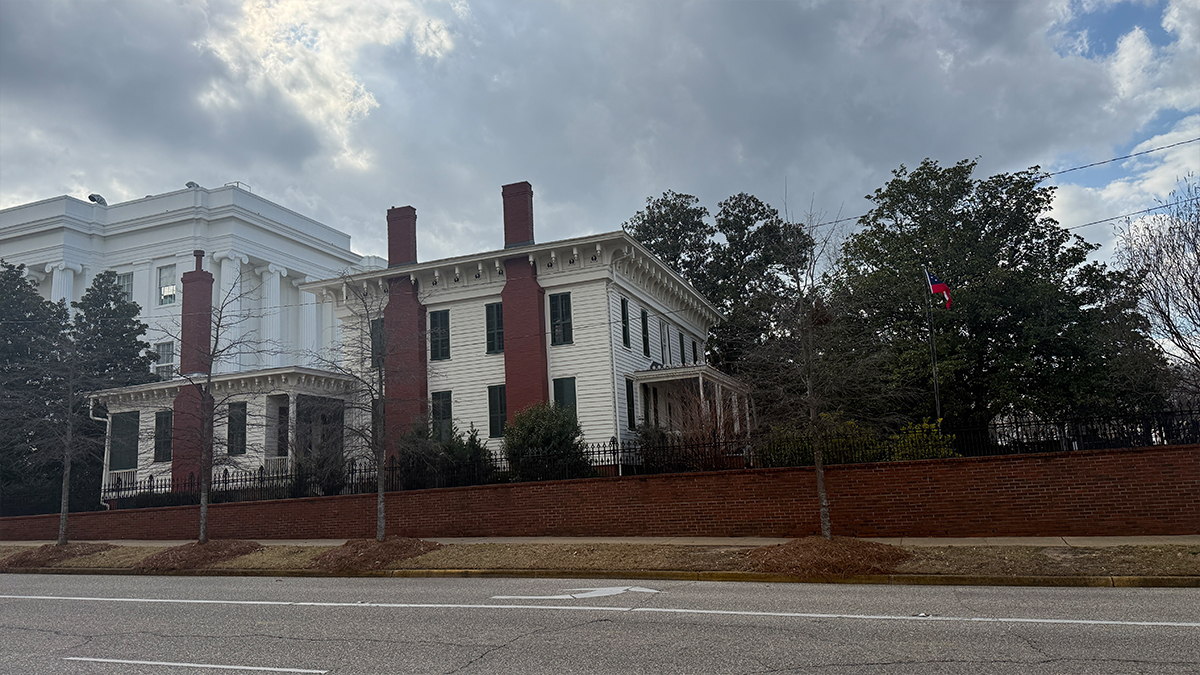
William Sayre, a lawyer, had built a Federalist-style home in the 1830s. In the 1850s, Colonel Edmond Harrison purchased and remodeled the house in the Italianate fashion that was becoming popular in Alabama. Edmond agreed to rent out his elegant, wood-framed home, to the Confederate government for $5,000 a year.
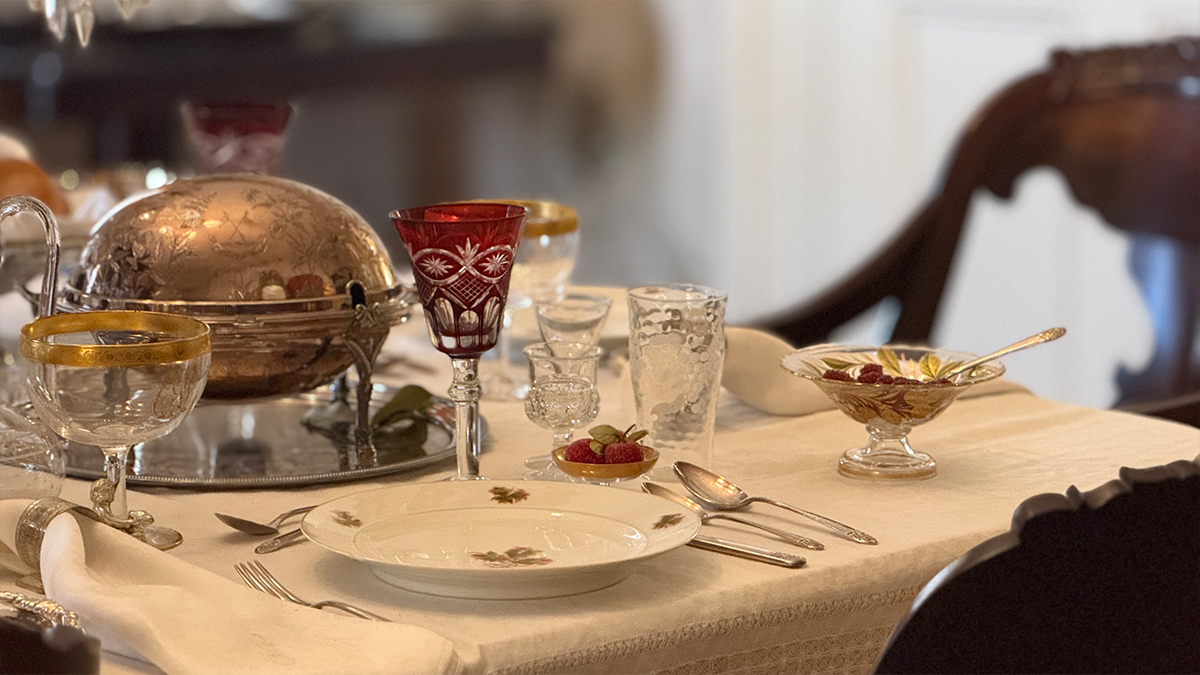
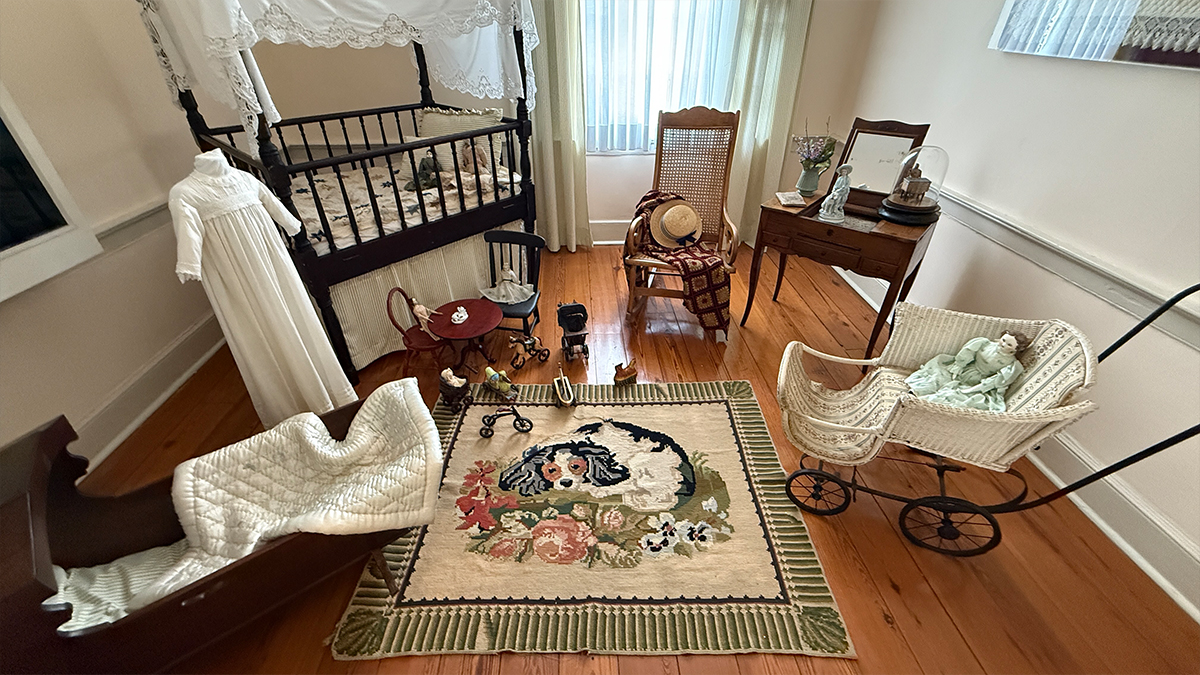
Jefferson, his wife Varina, and their three young children, Maggie, Jeff and Joe, moved in shortly after his inauguration. Varina, as First Lady, highly approved of the house, and immediately began organizing receptions and dinner parties, adhering to Washington etiquette. Though pregnant, Varina supervised the daily operations of the mansion, which included managing a mix of twenty paid and enslaved workers.
As for President Davis, it’s said that Davis’ office was the size of a closet. It didn’t matter, as President Davis still conducted most of his business at the Executive Mansion, meeting with members of his Cabinet, the Confederate Congress, and military leaders such as P.G.T. Beauregard, who was appointed brigadier general by Davis and sent to command Charleston, South Carolina.
Six weeks later, after consulting with his Cabinet, President Davis ordered General Beauregard to attack the Union garrison at Fort Sumter, a man-made island at the entrance of Charleston Harbor. It was an act of war; they knew that U.S. President Abraham Lincoln had ordered three supply ships to restock the fort, as the men were low on rations and supplies. But Davis, having received a telegram from the U.S. government days earlier stating that they “declined to recognize our official character or the power we represent,” no longer saw the possibility for peace.
Beauregard's men would fire the first shots of the Civil War on April 12, 1861. The decision was a good one for the Confederacy. Fort Sumter was captured by the Confederates on April 13, and the win was celebrated across the South. Days later, the state of Virginia seceded from the Union.
The leadership in Virginia offered their own state and the capital of Richmond to serve as the seat of the Confederacy. For many, it was a tempting offer. Virginia had the rich American history, and Richmond had the capacity, along with the only plant in the South capable of manufacturing military weapons, ammunition, and artillery. Plus it was only 100 miles away from the Union’s capital of Washington City.
By this time the city of Montgomery was bursting at the seams, transforming into a bustling metropolis. It was a beautiful city, and though there were inconveniences with the lack of space, overall people were content with how things were.
Then May arrived, along with the humidity and mosquitoes. A woman named Mary Boykin Chestnut would write in her diary,“I think these uncomfortable hotels will move the Congress. Our statesmen love their ease.”
President Davis was initially opposed to the idea of leaving, believing that the capital should reside in the Deep South, where the feelings for secession had originated. But the Confederate Congress approved the move, with everyone scheduled to be in Richmond by late July.
In May 1861, the Davis family said goodbye to Montgomery. In Richmond they were given a new Executive Mansion that became the new Confederate White House. They lived there until the fall of Richmond in April 1865.
In Montgomery, the former executive mansion was returned to private ownership, and contents left behind in the house were auctioned off. The house passed through several prominent owners over the years. In the late 1890s there was a discussion about preserving the house. The owner at the time refused to sell it because the land it was on was incredibly valuable.
In 1900, the White House Association of Alabama was founded for the purpose of saving and preserving The First White House of the Confederacy. It would take over twenty years before it was possible for the group to acquire the home, which had fallen into disrepair. They were able to purchase the home for $800, but not the property. This meant the house had to be moved.
The home was photographed from all sides and detailed plans were made of the interior. Every board was marked, cataloged, and carefully removed before the house was rebuilt across from the Alabama State Capitol. Without that effort, one of the Confederacy’s most important surviving homes would likely have been lost forever.
The White House Association of Alabama presented the home, fully restored, on June 3, 1921, on what would have been Jefferson Davis’s 113th birthday.
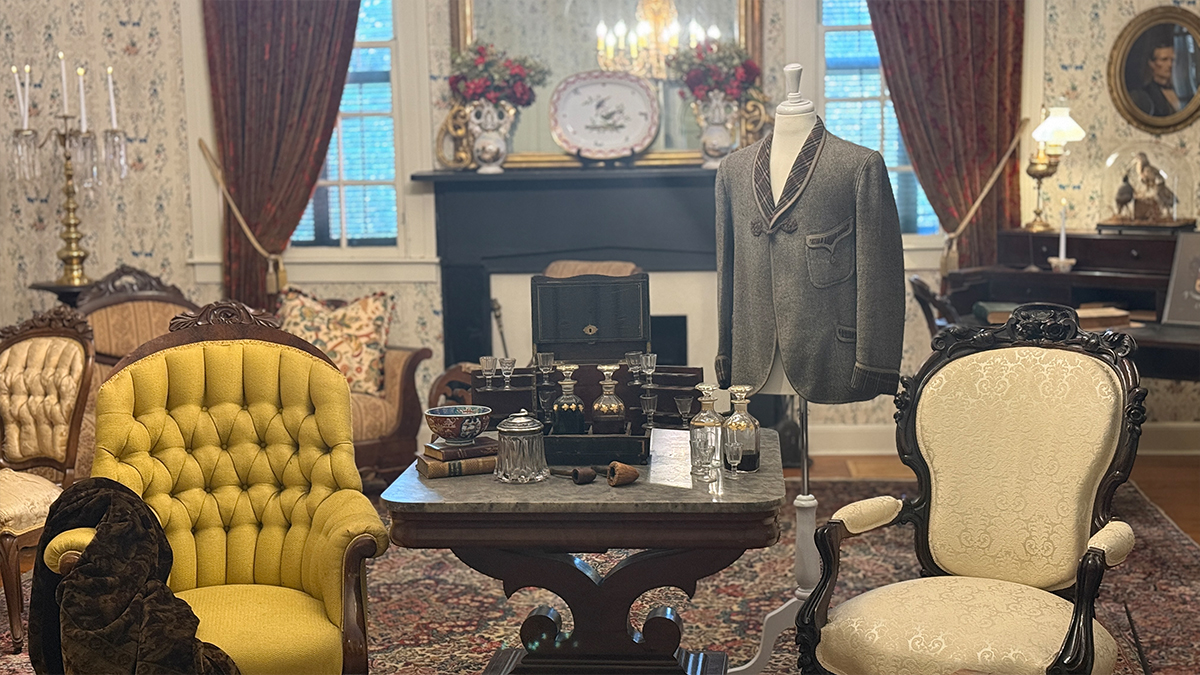
Today the house is decorated with many Davis possessions donated by Varina, including the family bible and furniture, as well as portraits and Civil War artifacts, including items from Confederate generals Robert E. Lee and Thomas “Stonewall” Jackson.
The Jefferson Davis bedroom contains the President's bed, and furniture is placed according to a diagram supplied by Varina. Also in the room is a slipper case made by Chief Blackhawk in 1833 for his friend, Jefferson Davis, who served in the military as his escort. It’s a small reminder of Jefferson’s incredibly impressive pre-Civil War background, which made him a natural choice to lead the Confederacy.
Visitors today can explore the house on a self-guided tour. There is easy-to-read documentation for each room, along with some signs near items of importance. There is a docent who is also there to answer any questions you may have.






.svg)


